Stories in Missouri

Sustainable Agriculture in Missouri

Working with Missouri farmers, we take a balanced approach to sustainable agriculture with a shared goal benefiting the land and their bottom line.

Last updated July 02, 2025

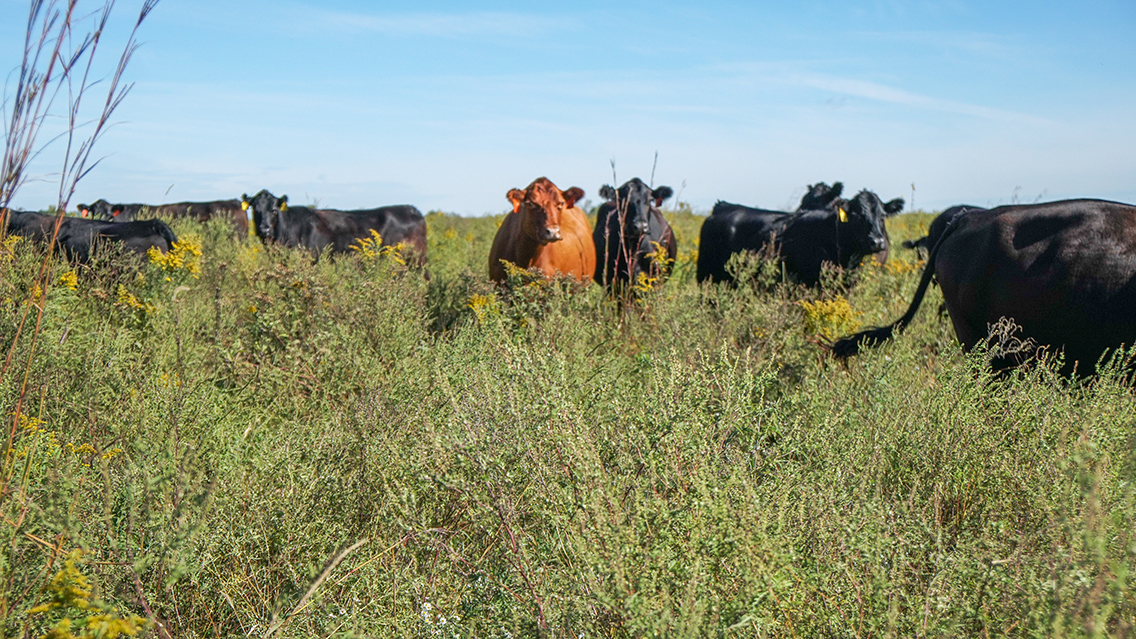
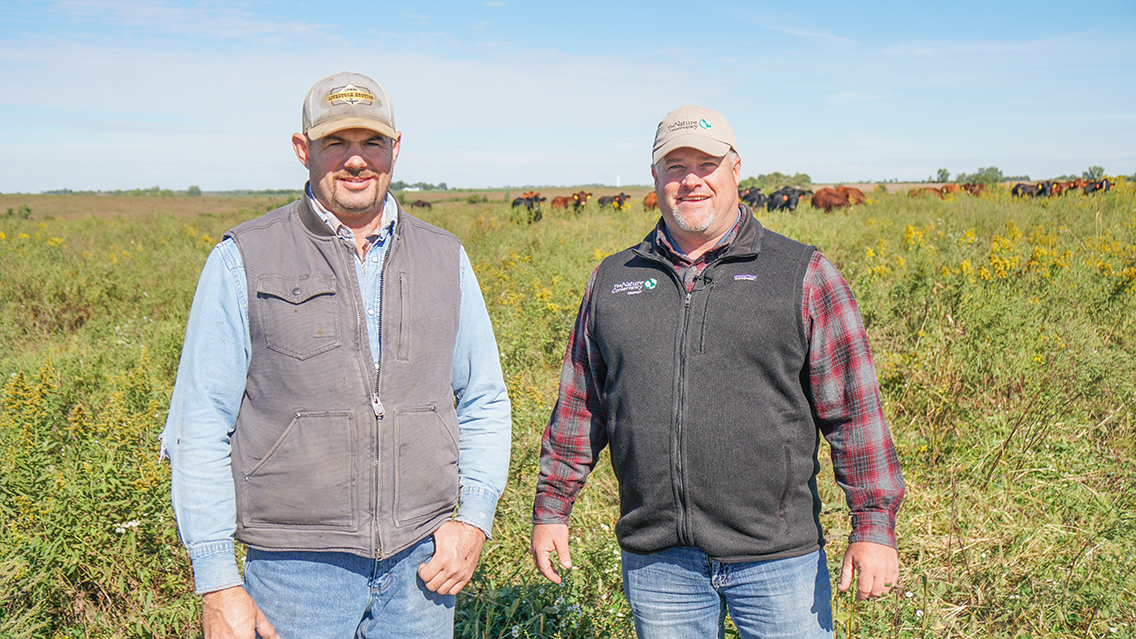
A small group of cattle in a grassy field.

Calling All Missouri Farmers & Landowners!


Sign up for the Grow Your Edges Program and get paid to integrate silvopasture into your operation! As part of Grow Your Edges, farmers can receive advice & payments of up to $50 per tree to implement silvopasture.

Overview

Home to 95,000 farms, Missouri stands as the second largest agricultural state in the U.S. More than 90% of the farms here are family owned, and the nearly 28 million total acres devoted to agriculture in Missouri cover two-thirds of the state. With so much land dedicated to farming, sustainable conservation practices are vital to maintaining environmental balance and long-term land health.

The Nature Conservancy works with Missouri’s growers as well as our conservation partners to put sustainable practices into action. That’s crucial, not just for the viability of those farmers and ranchers, but for the health of our rivers and streams. Currently, Missouri is the leading phosphorous contributor in the Mississippi River basin. The Grand River watershed in northwest Missouri is a high contributor in the state. Runoff flows and contributes to the hypoxic zone, “dead zone,” further downriver in the Gulf.

Missouri Agriculture by the Numbers

  • 450,000

    jobs in Missouri are in agriculture

  • #3

    beef producer in the United States

  • 95,000

    farms in Missouri

  • 28 M

    acres dedicated to agriculture

To make the biggest impact on conservation, solutions have to work for farmers and the environment. Research and the science that comes from it is leading the way to this adaptive management as more demand is placed on every acre of land. The pressure on both is greater than ever. Increased demand for food from a growing population combined with economic shifts and climate change are constantly raising the stakes.

But there are answers.

TNC’s work in sustainable agriculture offers models that can be used widely to increase profits and protect our land and water resources. Whether it’s testing new strategies to mitigate farmers’ risks, planting natural buffers along rivers to stop erosion, promoting new climate-smart practices or partnering on wide-ranging campaigns for smart use of fertilizers and grazing intensities, we are invested in helping Missouri’s farms and ranches remain strong and sustainable into the future.

Little Creek Farm

TNC bought Little Creek Farm in 2017 and has turned its 217 acres into a center of agricultural innovation.

Overlooking the rolling hills of Dunn Ranch Prairie, which sits just across the road, the property is more than just a farm with a view. It serves as TNC’s first sustainable grazing demonstration farm in Missouri. With our partners, we’re testing strategies that benefit farmers and the environment.

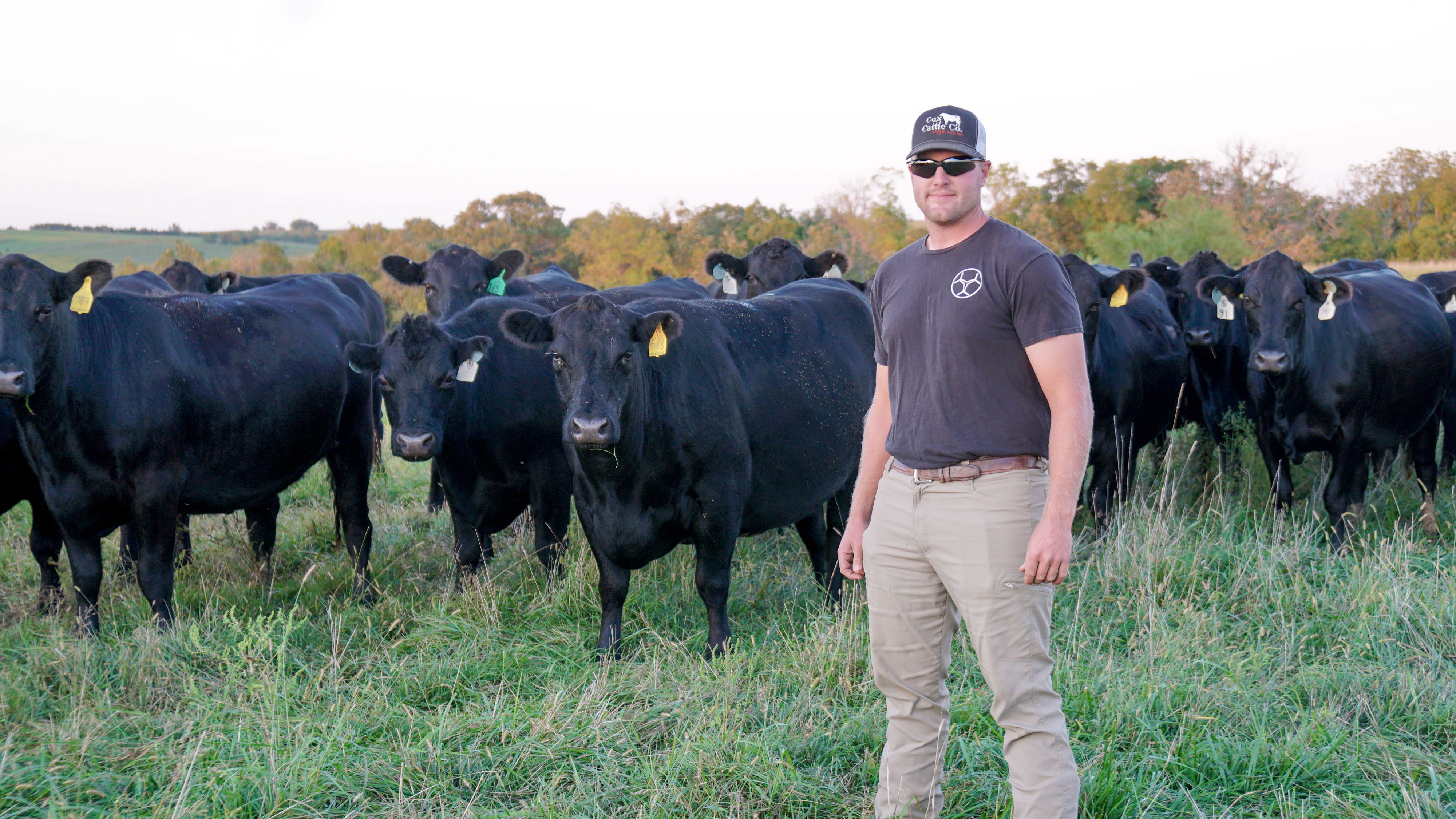
Local rancher Ryan Cox leases the land from TNC and collaborates with our staff on sustainable practices. Interseeding warm-season native grasses have improved the health and biodiversity of pastures, and Cox rotates his herd through the farm’s twelve paddocks instead of leaving them in one or two pastures to chew the grass to the ground. That’s extended the grazing season and allowed Cox to run more cows per acre.

The farm’s namesake has been improved, too. A major stream restoration project completed in 2022 repaired the eroded banks of Little Creek and created an underwater wedge that reconnects more than five miles of aquatic habitat. This is critical to the passage upstream into the headwaters for the federally listed Topeka shiner. That’s great news for the creek's health and aquatic system here in this portion of the Great Plains.

Flowing creek with gradual stream banks and green vegetation surrounding the floodplain.
Severely eroded streambank with trees and brush falling into a small creek.
Before & After Before restoration, the streambanks of Little Creek were severely eroding, dumping harmful nutrients and sediment into the stream and limiting aquatic habitat. Now, the free-flowing creek is loaded with natural materials that increase habitat and provide a more fish-friendly passage. © Steve Herrington/TNC
Volunteers planting trees.
CCI Volunteers Volunteers gather to plant nearly 2,000 trees in the first of several plots at the Missouri River Center CCI. © Kristy Stoyer/TNC

Missouri River Center

Located just southwest of Columbia, the Missouri River Center 164-acre site is being transformed into a living demonstration of how agriculture and conservation can work hand in hand along the Missouri River floodplain.

In partnership with the University of Missouri Center for Agroforestry, the center is shifting from traditional annual crop production to a system rooted in perennial, flood-tolerant crops. This transition enhances soil health, supports biodiversity, and increases carbon sequestration.

A major milestone in this transformation was the planting of nearly 2,000 pecan and walnut trees in fall 2024. These trees, located on the northern side of the property, are part of a long-term vision to establish productive, ecologically sound agroforestry practices. On the south side of the property, a riparian buffer is being developed to protect the riverbank, reduce flood impacts and provide habitat for wildlife.

Cover crops like turnips help build better soil, reduce weeds, and keep fields healthy year-round.

Franciscan Sisters Property

In St. Paul, Missouri, the 200-acre Franciscan Sisters property is undergoing a thoughtful transformation rooted in stewardship and sustainability. The land includes a mix of hardwood timber, pasture, row crops, and hay fields—each offering a different opportunity for conservation.

In spring 2025, a third of the pasture was retired from grazing and seeded with native grasses. This area was fenced off with electric fencing to allow the new vegetation to establish without pressure from cattle. A pond-based alternative watering system was installed to support rotational grazing, and by the end of May, fencing was completed to exclude livestock from the creek, protecting water quality and streambank integrity.

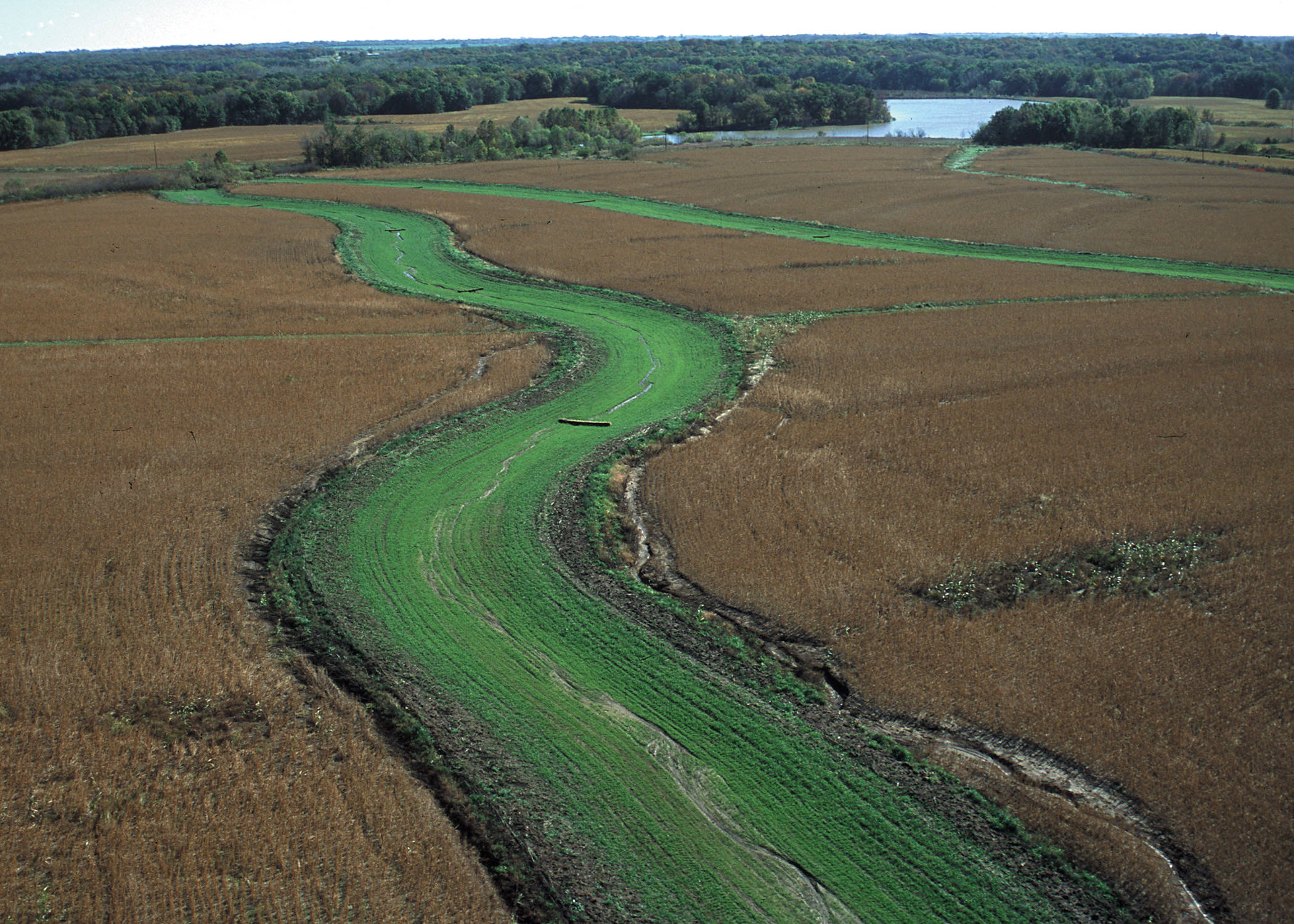
Additional conservation practices include the installation of a two-stage ditch, several grassed waterways, and farm field terraces—all designed to manage runoff, reduce erosion, and improve soil health. A 7-acre pollinator plot was frost-seeded to enhance biodiversity and provide habitat for beneficial insects. Together, these efforts reflect a holistic approach to land management that honors both agricultural productivity and ecological integrity.


A mallard takes flight.

Little Blue River

Nestled along the Little Blue River, a 270-acre property is becoming a beacon of integrated conservation and agriculture. This site’s current composition is a mosaic of different land uses: 110 acres of row crops, patches of shrub and scrub, hardwood timber stands, and existing wetland complexes. These diverse ecosystems offer a unique opportunity to demonstrate how conservation can be layered into working lands.

Initial restoration efforts are already underway. A pollinator plot is being established to support native insects and improve crop pollination. Invasive species like sericea lespedeza are being removed, and plans are in place to clear out non-native trees and shrubs that threaten the site’s ecological balance.

Looking ahead, we’re partnering with Jackson County Parks and Recreation, Evergy, the U.S. Army Corps of Engineers, and local neighbors to envision and plan the future of the site.

Turnips in a field.

Janey Property

About 40 miles southwest of St. Louis, the 250-acre Janey Property offers a striking example of landscape diversity and conservation potential. The site encompasses floodplain areas along the Big River, open grasslands, and a transitional zone of glades and woodlands. This variety of a landscapes makes it an ideal setting for demonstrating best management practices and floodplain restoration.

The Janey site is being developed with public engagement in mind. It will host field days, workshops, and landowner visits to showcase conservation practices supported by programs like EQIP. These include floodplain reconnection, native vegetation restoration, and erosion control measures that can be replicated on private lands throughout the region.

The Janey Property is more than a demonstration site, it’s a place for collaboration. By opening its gates to partners and practitioners, it aims to accelerate the adoption of conservation practices that benefit both people and nature. The lessons learned here will ripple far beyond Missouri’s borders.

Golden Horizon A bright sunset behind corn fields. © Will Conkwright/TNC Photo Contest 2016

4R Nutrient Reduction Program

Think of the 4R program as farming backed by scientific data and logistical support.

It is about using fertilizer efficiently to save money while protecting the land and water from harmful runoff. No one who grows crops wants to pay for expensive nutrients that are going to wash away, but a lot of variables can make it hard to figure out how to avoid it.

That’s where the program’s four “rights” come in: using the right fertilizer source at the right rate at the right time in the right place. Soil testing through TNC’s current pilots use the Nutri-Track system developed by TNC’s retail partner MFA, Inc., which helps create individualized fertilizing plans for farmers and ensures the plans are working in the future.

Graphic showing details of the what the 4Rs stand for.
Understanding the 4Rs Right Source, Right Rate, Right Time, Right Place

The right source matches fertilizer type to crop needs. The right rate matches amount of fertilizer to crop needs. The right time makes nutrients available when crops need them. The right place keeps nutrients where crops can use them.

TNC joined a diverse group of collaborators with help from the Missouri Fertilizer Control Board, select ag retailers and Soil and Water Conservation Districts to launch the 4R program in 2018, and thousands of acres across the state have been enrolled since then. We have a goal to enroll 250,000 acres by 2025.

That will help farmers’ bottom line and improve water quality all the way from Missouri and downriver to the Gulf.

©

Dunn Ranch Grass Bank

Through an innovative grassbank partnership, Dunn Ranch Prairie helps local ranchers adopt sustainable grazing while expanding conservation efforts across Missouri’s Grand Rivers Grasslands.

Standing in the sea of tallgrass, Dunn Ranch Prairie can feel endless. Waves of wildflowers go on and on, choruses of migrating birds fill the air and fascinations range from bison to towering dark-earth anthills. A lot of life flows through Dunn’s 3,258 acres, but TNC’s Kent Wamsley notes that it’s “a drop in the bucket” when placed in the context of its place within the 160,000 acres of the Grand Rivers Grasslands of Missouri and Iowa.

The grassbank is TNC’s first in the central United States. It is a way to extend Dunn’s ecological impact—and help out our neighbors. A three-year agreement allows two local ranchers to graze cattle for a few months a year on two specific pastures on Dunn in a unit that totals 400 acres.

Cattle on the grassbank at Dunn Ranch Prairie in Missouri.
Grassbank Cattle on the grassbank at Dunn Ranch Prairie in Missouri. © Kristy Stoyer/TNC

Quote: Kent Wamsley

We’re in grazing country. If we want to make a difference, we need to work beyond our property borders.

Grasslands and Sustainable Agriculture Strategy Manager

In return, those ranchers choose and implement sustainable grazing practices, such as removing fescue and planting native grasses, woody removal, resting certain pastures and controlled cattle access near streams on their land. The program is as much an exchange of ideas as it is a resource. TNC and its neighbors work together to figure out how to support ranchers and the land.

Dunn Ranch Prairie Rolling hills of Dunn Ranch Prairie. © Hilary Haley/TNC

Partnerships play a vital role in the success of our sustainable agriculture work. The Field and Farm Tour video series brings together a collection of agencies and partners to discuss programs and cost-share opportunities for landowners interested in implementing conservation practices on their own land.

Video Tours

Interview with John Lueken - Rolling Prairie Hear from John Lueken about why he chose to partner with TNC on their grassbank and the conservation practices he's incorporating on his own land.

Contact Us

If you would like to learn more TNC Missour's ag work, you can reach out to: