

Buy or Build a Bat House
You can build a bat house that benefits Tennessee nature.

While many bats spend winter months in caves, most seek out trees, bridges or old buildings during summer. It's in these places—small spaces located high off the ground—where they give birth and rear their young.
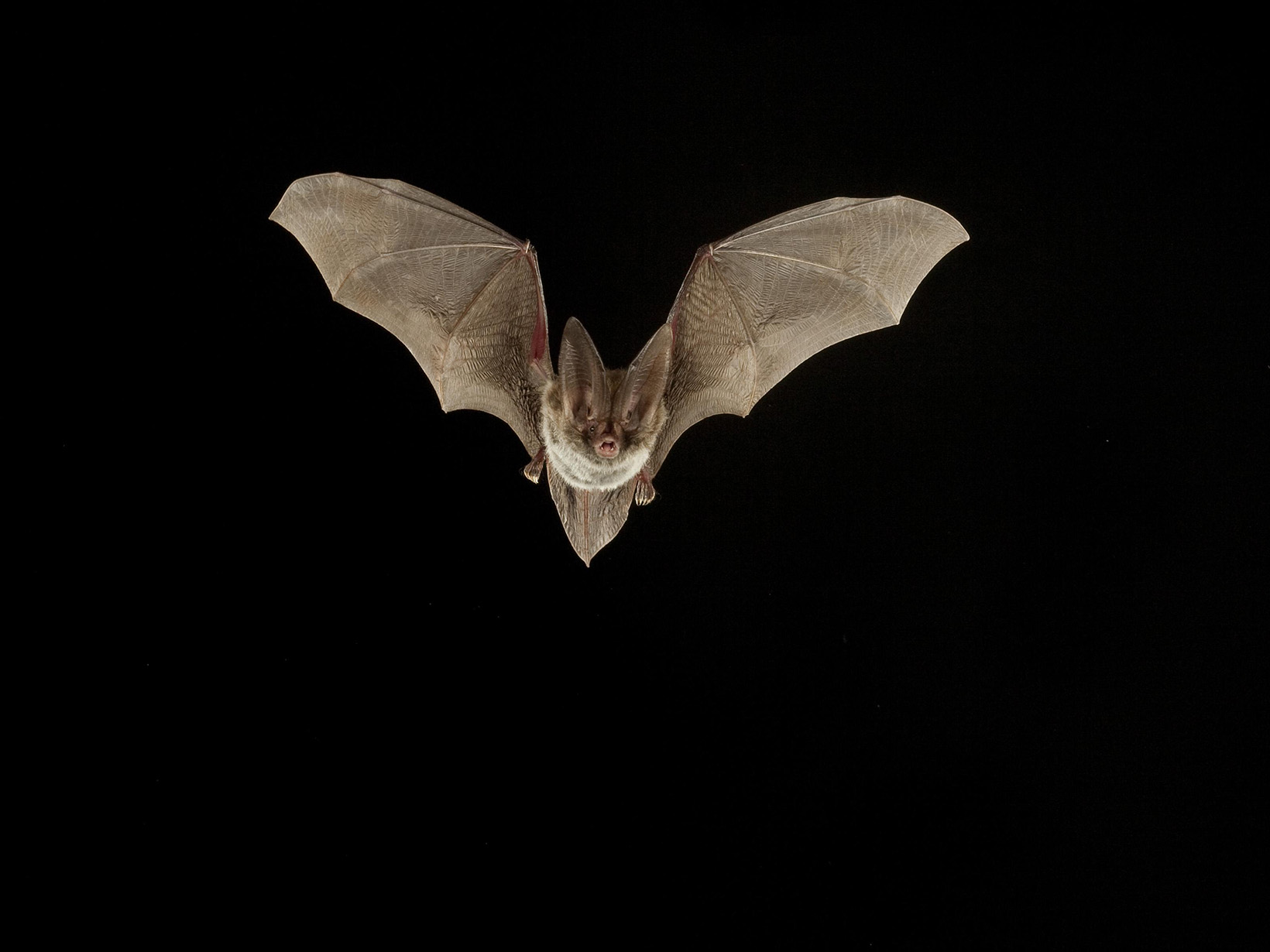
Building a summer home for bats can play a vital role in their survival, providing optimal roosting conditions that might otherwise be hard to find. Although bats often go unnoticed, they are the top predator for night-flying insects, so having them around is extremely beneficial in controlling the pest insect populations for our farms, gardens and forests.


Buy a Bat House
Bat houses are easy to find at the local hardware stores or online. The two most successful types of bat houses are the Traditional Bat House, which can be single or multi-chambered, and the Rocket Box, which is usually four-sided. These houses boast a high success rate because they best mimic the types of crevices found under the peeling bark of a dead or dying tree and similar places where bats like to roost.
The best place to put a bat house is on the side of buildings or a pole, rather than in an actual forest. These locations are typically the most successful because bats can find them more easily and the sun will warm the bat roost.
Locating bat houses near streams or rivers will also attract bats more quickly. Also, bats will find new roosting sites on their own without assistance in the way of guano or food lures.

Build a Bat House
Don’t be afraid to use available materials to create your own bat house. If you are handy or artistic, don’t feel limited by the specifics of the two popular bat house styles. Just remember two things: bats like tight spaces and they need to keep things for the babies.
In addition to these step-by-step instructions, some basic guidelines for constructing a successful bat house include:
- Use wood, rubber, light concrete or other materials.
- The house should be at least two feet tall with one to four roosting chambers.
- Each chamber should measure at least 20 inches in height.
- Seal the house to prevent water from entering.
- Place the house at least 10 feet above the ground; 12 to 20 feet is ideal.
- Situate the bat house where it will receive 6 to 7 hours of sunlight.
Bat houses can be painted to regulate temperatures. In Tennessee, medium-toned paints or stains work well because they absorb the sun’s heat to keep the bat house warm. However, paint isn't necessary. Also consider using sandpaper or a saw to rough up inside the box to make it easier for gripping and climbing.

Maintain a Bat House
After installing a bat house, it is important to check it every month or so)for things like wasp nests and temperature levels. Daytime temperatures consistently cooler than 80 degrees are too cold and temperatures consistently above 100 degrees are too hot. Bat houses also might need to be repainted or resealed in the winter. If you do have cold or hot bat houses, they might still be used as part of a collection of houses/habitats placed strategically to offer different temperature regimes.
Once everything is in place, consider providing information to a citizen science program designed to gather bat data to advance knowledge about bats. Also, it might take a year or so for bats to inhabit the bat house. But a well-built and well-maintained bat house should have good success.


Stay connected for the latest news from nature.
Get global conservation stories, news and local opportunities near you. Check out a sample Nature News email.
Support Tennessee Nature
Help us work with landowners and ensure a future in which people and nature can thrive.
Related Stories
Tennessee Caves (and Bats That Use Them)
With more than 10,000 caves in Tennessee, The Nature Conservancy has made preserving cave ecosystems a priority.

Cumberland Forest
The Nature Conservancy completes one of the largest land deals in TNC’s history of working in Kentucky and Tennessee.
Top 10 Bat Facts
Some fun and fascinating things you may not know about bats.